September 2, 2026
With the rising importance of energy efficiency in today's world, smart lighting systems have emerged as a critical tool in modern residential energy conservation. The concept of home automation revolves around creating interconnected systems that optimize household functions to preserve natural resources and reduce power grid demand. Smart lighting is an integral part of this technological advancement, allowing households to curb overall energy consumption and contribute to a greener environment. As utility prices continue to surge globally, the demand for sophisticated lighting solutions has skyrocketed, playing a crucial role in reducing monthly utility bills for property owners. Working alongside professional smart home lighting installers allows homeowners to enhance these automated setups to maximize their long-term energy savings and streamline household power consumption across every room.
Navigating the landscape of energy efficient technology requires a thorough understanding of system integration, network protocols, and hardware compatibility. While modern equipment offers unprecedented control, achieving optimal efficiency requires strategic planning, precise physical setup, and ongoing technical support. Certified technicians analyze unique residential layouts, natural illumination patterns, and daily household routines to design bespoke control networks that eliminate wasteful electricity usage. By leveraging specialized knowledge and high quality installation methods, property owners can ensure their automated networks operate at peak efficiency.
Evaluating Residential Energy Profiles
Assessing the specific power requirements of a residence forms the foundational phase of any comprehensive lighting modernization initiative. Qualified smart home lighting installers inspect existing electrical infrastructure, load capacities, and current fixture placements to identify hidden areas of energy waste. During this initial diagnostic phase, experienced technicians evaluate how natural daylight interacts with internal living spaces throughout different seasons of the year. This detailed evaluation allows for the creation of customized control strategies that align with actual usage patterns rather than generalized pre-programmed schedules. Proper assessment prevents common issues such as overloading existing electrical circuits, placing sensors in ineffective locations, or installing underutilized automated components that fail to yield maximum energy reduction performance.
Designing an optimal control architecture involves selecting the correct combination of hardware, sensors, and centralized management units tailored specifically to the residence. According to Grandview Research, North America smart home market held a significant share of over 25% in 2024. Expert technicians determine the exact placement of motion detectors, ambient light sensors, and intelligent wall switches to maximize power conservation without compromising user convenience. By mapping out communication protocols between devices, professionals ensure that every fixture responds instantly to environmental changes.
Integrating Advanced Control Modules
Executing the physical placement of automated hardware demands technical precision to achieve maximum operational efficiency and long term reliability. Certified smart home lighting installers configure interconnected switches, dimmers, and low voltage relays to function as a unified residential network. Proper installation guarantees that dimming protocols operate smoothly without causing fixture flicker, annoying humming noises, power surges, or premature bulb failure. Technicians carefully calibrate voltage outputs and electrical load limits across every circuit, preventing energy waste caused by inefficient electrical distribution. Their hands-on technical expertise transforms static electrical lines into an adaptive power management framework capable of responding dynamically to real-time environmental conditions throughout the property.
Connecting ambient light sensors and motion detection hardware requires accurate physical positioning to avoid false triggers or unnecessary power draw. Experienced professionals place sensors in locations that accurately reflect human activity and incoming natural light, ensuring that fixtures operate only when strictly necessary. Furthermore, technicians establish secure wireless or hardwired connections between individual components and the central control gateway. This precise configuration ensures that automated commands, such as lowering brightness during peak tariff hours, execute reliably without signal loss or latency. Systematic hardware integration maximizes efficiency gains while protecting sensitive electronic components from unexpected voltage fluctuations and electrical noise over time.
Optimizing Network Protocols and Automation
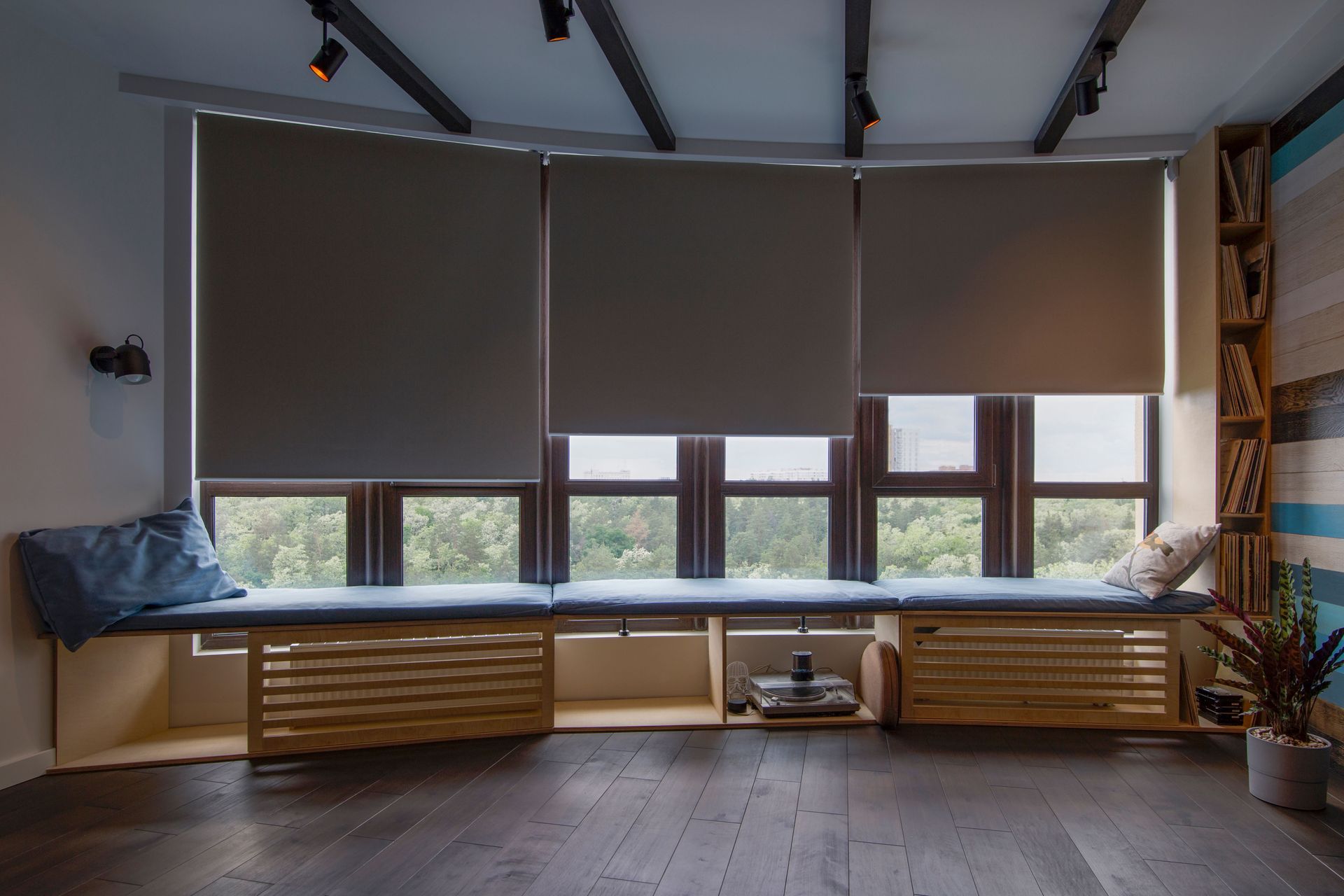
Synchronizing lighting controls with broader home automation systems amplifies total household energy savings across multiple operational categories. Knowledgeable smart home lighting installers link illumination networks with heating, ventilation, and air conditioning controls to manage thermal gain and electrical consumption simultaneously. For example, automated window shades can lower during hot afternoon hours while interior lights dim to minimal required levels, preventing cooling units from overworking. Creating these synergistic relationships between separate household systems requires specialized programming knowledge and network configuration expertise that extends far beyond standard fixture mounting or basic electrical wiring.
Establishing automated schedules based on real-time data allows residences to dynamically adjust energy use without requiring manual intervention from occupants. System specialists program complex automation routines, such as sweeping through the entire property at bedtime to ensure every non-essential fixture is powered down completely. They also set up geofencing features that automatically alter power states based on household occupancy signals from registered mobile devices. By incorporating advanced scheduling capabilities, homeowners receive a fully tailored energy management system that continuously eliminates ghost loads, reduces standby power draw, and optimizes power consumption across every individual living space within the residence.
Upgrading Legacy Electrical Infrastructure
Modernizing older properties often presents unique structural and electrical challenges that require specialized technical solutions and expert handling. Trained smart home lighting installers evaluate legacy wiring, switch boxes, and breaker panels to ensure full operational compatibility with modern solid-state electronics. Upgrading outdated toggle switches to intelligent control modules eliminates steady power bleeds and ensures complete compliance with current residential electrical safety codes. Technicians safely bridge the gap between traditional residential power delivery and modern digital management, preventing short circuits, equipment damage, and unexpected system failures during daily operation.
Implementing high efficiency light emitting diode fixtures alongside digital control modules delivers immediate drops in overall wattage requirements across the entire home. Experienced installation professionals ensure that retrofitted fixtures receive stable electrical current, which extends the operational lifespan of the components and maintains consistent energy performance over many years. Upgrading legacy systems also provides an excellent opportunity to segregate large, monolithic lighting zones into smaller, independently controlled sub-zones. This granular control allows occupants to illuminate only the exact areas being actively utilized, drastically reducing localized energy waste and unnecessary electricity consumption throughout the entire property.
Managing System Maintenance and Upgrades
Sustaining peak energy efficiency over extended operational periods requires periodic system maintenance, technical recalibration, and software optimization. Dedicated smart home lighting installers provide ongoing support services, monitoring network health and updating device firmware to maintain optimal operation. Over time, household usage patterns, family routines, and personal preferences naturally evolve, requiring adjustments to automated schedules, sensor sensitivity levels, and zone groupings. Retaining professional support ensures that sophisticated control systems continuously adapt to these lifestyle changes while consistently prioritizing energy conservation goals and electrical efficiency.
Periodic evaluations by qualified technicians identify potential hardware degradation or software conflicts before they result in increased power consumption or system downtime. Upgrading central control software introduces improved energy analytics tools, refined automation algorithms, and enhanced network security protocols that protect user privacy. By maintaining a long-term partnership with certified technical specialists, property owners preserve their initial investment, extend the service life of their equipment, and ensure their automated lighting networks maintain maximum energy reduction capabilities for many years into the future.
Maximizing residential energy efficiency requires a strategic combination of cutting-edge hardware, intelligent automation, and professional setup. Automated systems offer unprecedented opportunities to curb power consumption, lower monthly utility costs, and reduce household carbon footprints without sacrificing daily convenience or aesthetic appeal. Professional
smart home lighting installers play an essential role in ensuring that every system component is properly calibrated, fully integrated, and configured for long-term operational success across every square foot of the home.
Investing in modern illumination technology yields compounding financial and environmental returns over the life of the system. Property owners looking to optimize their residential energy performance and reduce power costs can contact LP Lighting and Integration today to schedule a comprehensive technical consultation and begin building a custom, eco-friendly automation strategy tailored to their specific needs.