January 27, 2026
As technology continues to evolve at lightning speed, smart lighting is cementing its place as a vital component of modern home living. This article explores the advantages of smart home lighting, providing a detailed insight into how it can reshape your home living experience.
Energy Efficiency
Smart lighting predominantly utilizes LED technology, hailed for its lower energy consumption compared to traditional lighting solutions. LEDs, or light-emitting diodes, are incredibly efficient, converting a higher portion of electricity into light and therefore wasting less energy as heat. According to The Spruce, LED bulbs use up to 90% less energy than conventional light bulbs, emphasizing significant cost savings on electricity bills. This remarkable efficiency means homeowners can enjoy brighter spaces without the usual guilt associated with higher electricity usage. Overall, adopting LED lighting contributes to a greener living environment, aligning with broader sustainability goals.
One standout feature of smart home lighting is the ability to set automated schedules. These schedules allow lights to turn on or off at specific times, ensuring they are only in use when needed. Homeowners can program their lights to align with their daily routines, reducing unnecessary energy consumption during idle periods. For instance, lights can be scheduled to turn off after everyone leaves for work or school, and switch on just before they return. This intelligent scheduling not only saves energy but also enhances convenience, as it adapts lighting to the natural rhythm of home life.
Smart lighting does not operate in isolation; it can be integrated with other smart home devices. Connecting smart lighting with a smart thermostat enables a harmonious balancing of heating, cooling, and lighting, leading to an overall reduction in energy wastage. Such integration results in a seamless home environment, where each device plays its part in maintaining energy efficiency. In essence, this interconnectedness is central to creating a truly smart and responsive home setup.
Enhanced Security
Security is a primary concern for any homeowner, and smart home lighting addresses this through features like timed lighting. By setting lights to turn on and off at pre-determined intervals, homeowners can simulate presence even when they are away. This feature is particularly useful during vacations or work trips, creating the illusion of occupancy and thus deterring potential intruders. Effective use of timed lighting requires thoughtful scheduling to mimic normal usage patterns, making it appear that someone is home. This strategic application of smart lighting significantly boosts home security, offering peace of mind while away from the property.
With advances in technology, remote access control has become a central feature of smart lighting systems. Homeowners can manage their lighting systems from anywhere in the world using smartphones or other internet-enabled devices, providing unprecedented control over home security. Imagine being able to turn on porch lights from the office if you anticipate a late return, or illuminating interiors before arriving home on a dark evening. Such capabilities enhance safety and convenience, ensuring homes are never left in complete darkness. Remote access also allows for real-time adjustments, offering flexibility and reassurance at the touch of a button.
Adjustable brightness levels in smart lighting systems can also be employed as deterrents to potential intruders. By changing the intensity of lights in response to motion detection or security alerts, homeowners can startle unwanted visitors or draw attention to suspicious circumstances. Additionally, strategic use of bright lighting on exteriors or vulnerable entry points can discourage would-be intruders looking for easy targets. The ability to tailor brightness levels for security purposes makes smart lighting a valuable tool in safeguarding a property. Such adaptability enhances both security and peace of mind for homeowners.
Convenience and Control
Voice activation has revolutionized home lighting, offering a hands-free, convenient way to manage lighting systems. With integration into voice assistant platforms, homeowners can control their lights using simple voice commands. This feature eliminates the need for physical switches, making it especially useful when hands are full or in the dark. Voice control brings an element of futuristic ease, transforming how homeowners interact with their spaces. As voice recognition technology continues to advance, the accuracy and functionality of these systems will only improve, enhancing their integration into everyday life.
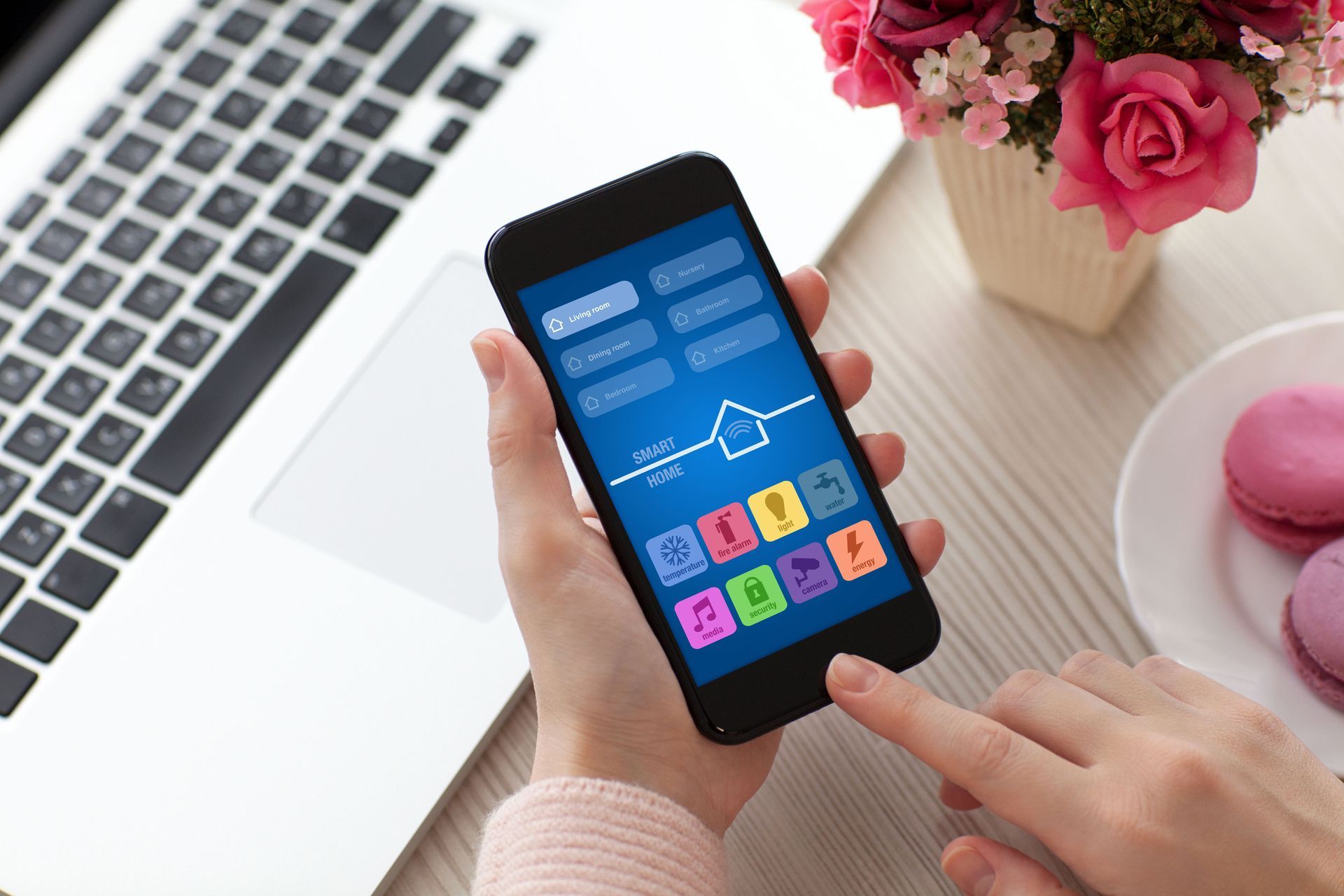
In the age of connectivity, smartphone integration is a fundamental aspect of smart home lighting solutions. Apps designed for these systems provide users with complete control over their lighting from their fingertips, whether at home or remote locations. Through these apps, homeowners can adjust brightness, change colors, and set schedules on-the-go, offering a level of convenience that was previously unimaginable. This integration extends to other smart devices, enabling a synchronized smart home environment where everything works in harmony. The power of smartphone integration lies in its ability to simplify and enhance everyday tasks, redefining the user experience.
Personalization is at the heart of smart lighting, enabling users to create specific scenes and moods tailored to their activities or personal preferences. Whether setting a vibrant scene for a party or a relaxing ambiance for an evening read, smart lighting can accommodate. Users can pre-configure several lighting settings for different occasions, switching between them at the touch of a button. The ability to customize lighting enhances the versatility of home environments, enabling quick adaptations to various circumstances. In essence, smart lighting brings the unique power to transform a space's vibe, suited specifically to its inhabitants' needs and schedules.
Health and Well-being
Aligning lighting with natural circadian rhythms promotes better sleep-wake cycles and overall health. Smart lighting systems can be programmed to gradually change brightness and color temperatures to mimic natural daylight patterns, supporting human biological clocks. Proper exposure to lighting aligned with circadian rhythms can reduce sleep disturbances and enhance daytime alertness, contributing to overall well-being. This synchronization encourages a more consistent energy balance throughout the day, improving mood and productivity. Integrating smart home lighting with circadian rhythms is a vital change for fostering healthier home environments.
Proper lighting reduces eye strain, minimizing the discomfort associated with screens and artificial lighting in daily tasks. Smart lighting systems allow for precise control over brightness and color temperatures, creating optimal conditions for reading, computer use, or hobbies. Reduced glare and adjustable lighting can alleviate the strain that often leads to headaches or fatigue, enhancing comfort during work or leisure. Tailoring lighting to suit individual needs boosts visual health, ensuring users experience less discomfort and increased efficiency. This capability enhances both the health and enjoyment of activities conducted in well-lit environments.
Lighting profoundly influences mood, offering opportunities for enhancement and emotional regulation. Properly adjusted lighting can transform home environments, promoting relaxation, cheer, or energy as needed. Smart home lighting systems' flexibility allows for creating atmospheres that support mental well-being, reducing stress and enhancing satisfaction. The capacity to modify lighting to improve mood reflects how technology can cater to emotional and psychological needs. Mood-enhancing lighting highlights the holistic benefits of adopting smart systems, offering brighter, happier homes that prioritize occupant well-being.
Future-proof Preparation
Investing in smart lighting systems future-proofs homes by ensuring compatibility with evolving smart home technologies. These systems seamlessly integrate with a wide array of new devices and ecosystems, preserving relevance and functionality as technology advances. This adaptability allows homes to grow and change, accommodating new devices and services while maintaining a central network. Being prepared for future innovations enhances both convenience and value, solidifying smart lighting's role in modern living. Homeowners can enjoy the benefits of cutting-edge technology by ensuring their systems are ready for emerging smart home trends.
The incorporation of smart lighting systems can add significant value to a home, appealing to prospective buyers looking for contemporary upgrades. Smart features, along with other smart home improvements, enhance a property's appeal by providing cutting-edge amenities and future-proof technology. These systems portray a sophisticated, modern living experience, increasing both appraisal and resale potential. Investing in smart home lighting is attractive to buyers who value energy efficiency, convenience, and technological integration within modern life. A property equipped with smart lighting solutions is positioned favorably within the competitive real estate market.
Smart lighting systems make our lives more comfortable, efficient, and secure; they transform homes into seamless, integrated environments that respond to personal needs and preferences with ease. If you are considering installing smart home lighting, reach out to LP Lighting and Integration today.