December 23, 2025
Lighting is one of the most essential elements of a home or workspace, yet many homeowners and businesses still rely on traditional switches that require constant attention. With modern technology, smart home lighting services can transform how we interact with our spaces, offering convenience, efficiency, and style at the touch of a button. But how do you know when it’s time to make the upgrade?
If you’ve been wondering whether your space could benefit from advanced lighting control, there are several telltale signs to watch for. From inefficiencies to safety concerns and lifestyle frustrations, recognizing these indicators can help you decide when a smart lighting solution is the right choice.
1. You Constantly Adjust Multiple Light Switches
One of the first signs that your home or office could benefit from a smart home lighting service is the need to frequently adjust multiple light switches. Traditional lighting setups require manual operation, which can become tedious, especially in larger homes or open-concept spaces. Constantly flipping switches not only interrupts your routine but also indicates a lack of centralized control.
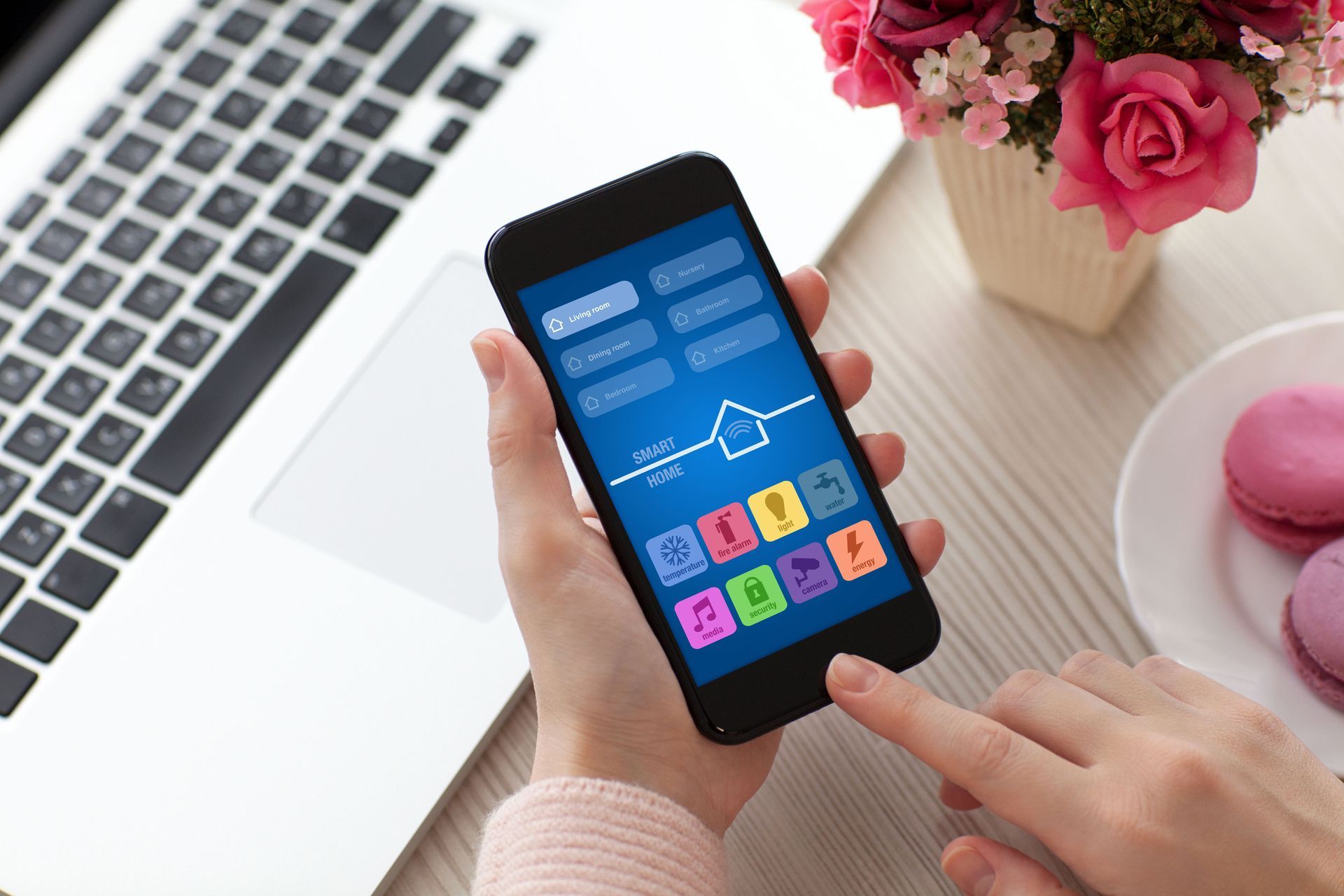
With a smart lighting system, all your lights can be managed from a single app or voice command. Whether you want to brighten a workspace, dim a living room, or turn off lights in unoccupied rooms, the process is streamlined and effortless. This convenience can save time and reduce the frustration of juggling multiple switches throughout the day.
Smart lighting solutions also offer preset scenes that adjust multiple lights simultaneously. For example, you could set a custom scene to dim your living room lights while turning on accent lighting when you want to watch a movie. This automation eliminates the repetitive task of adjusting individual switches, creating a more seamless experience for homeowners.
Additionally, smart systems can detect patterns and adapt automatically. Lights in frequently used rooms can respond to your habits, reducing the need for manual intervention entirely. This level of automation is a key indicator that smart lighting control can significantly improve daily life.
2. You Often Forget to Turn Off Lights
If you often leave lights on when leaving a room, it may be a sign that your lighting system is outdated and inefficient. Forgetting to turn off lights not only wastes energy but also contributes to higher electricity bills over time. A smart home lighting service can solve this problem by automating light control based on occupancy.
Motion sensors and timers can ensure that lights only operate when needed. For instance, if a room is empty, the system can automatically switch off the lights after a set period. This feature provides peace of mind and reduces unnecessary energy consumption. It also helps extend the lifespan of your bulbs, saving money on replacements over time.
Beyond energy savings, automation can prevent simple oversights from becoming larger issues. For example, in a busy household or commercial space, it’s easy for multiple lights to remain on unintentionally. Smart lighting removes the dependency on memory or habit, ensuring efficient operation. By handling these small tasks automatically, smart lighting allows you to focus on more important aspects of your home or business.
Over time, these automated adjustments can translate into meaningful cost reductions. By combining advanced scheduling with intelligent sensors, smart home lighting helps households and businesses maintain control over energy use without daily effort.
3. You Struggle to Create the Right Ambiance
Another sign that it’s time for smart lighting control is difficulty achieving the desired ambiance for different activities. Traditional lighting often offers limited options, making it challenging to create the right mood for working, relaxing, or entertaining.
Smart lighting systems allow users to customize brightness and color temperature to suit various tasks. For example, cool, bright lights enhance focus for office work, while warm, dimmed lights create a cozy atmosphere for evenings. These adjustments can be made instantly through an app or voice command.
Many smart home lighting services also offer pre-programmed “scenes” that match specific activities. Instead of manually dimming or changing lights, you can activate a scene designed for reading, cooking, or hosting guests, providing a perfectly tailored environment every time.
This level of control not only improves comfort but also supports productivity and well-being. By removing limitations imposed by outdated lighting setups, smart lighting ensures that your space works as hard as you do, reflecting your needs and lifestyle.
4. You Have Security Concerns While Away
If you worry about leaving your home unattended, a smart home lighting service can address these security concerns. A well-lit home is a strong deterrent for potential intruders, and smart lighting takes this protection to the next level by allowing you to control lights remotely.
Automated lighting schedules can create the appearance of occupancy even when you are away. For example, lights can be programmed to turn on and off at varying times, making it seem like someone is home and reducing the risk of break-ins.
Motion-activated lights add another layer of security. Lights can illuminate hallways, entrances, or outdoor areas when movement is detected, alerting you to unusual activity and potentially startling intruders.
Many smart lighting systems also integrate with security cameras or alarms. When suspicious activity is detected, lights can automatically turn on, providing better visibility for cameras and creating a proactive approach to home protection.
5. You Notice High Energy Bills
If your electricity bills are higher than expected, inefficient lighting may be a contributing factor. According to the Department of Energy, lighting accounts for approximately 15% of a typical home's electricity consumption. Constantly leaving lights on, using outdated bulbs, or lacking centralized control can lead to unnecessary energy waste.
A smart home lighting service helps reduce energy consumption by automatically turning off lights in unoccupied rooms, dimming lights when full brightness is not needed, and enabling scheduling for consistent efficiency. Over time, these adjustments can result in significant savings on monthly utility costs. These features make it easy for homeowners to maintain control without constantly thinking about their lighting habits.
Many smart systems also offer insights and reports on energy usage. By tracking consumption patterns, homeowners can identify areas for improvement and make informed decisions to further reduce energy costs. These detailed analytics provide actionable data that can guide smarter choices for both everyday use and long-term planning.
Investing in smart lighting is both an environmentally friendly and financially savvy choice. By minimizing wasted electricity, you not only save money but also reduce your carbon footprint, making it a win-win solution for sustainable living. Additionally, upgrading to smart lighting can increase the overall value and appeal of your home or business.
Recognizing the signs that your home or workspace is ready for a smart home lighting service can help you make a proactive upgrade. From constantly adjusting switches and forgetting to turn off lights to struggling with ambiance, high energy bills, security concerns, and a desire for modern tech, these indicators point to the benefits of advanced lighting control.
Investing in smart lighting is an opportunity to save energy, enhance security, and improve the overall quality of your environment. By addressing these common challenges, smart home lighting creates a space that is efficient, comfortable, and tailored to your lifestyle. If any of these signs resonate with your daily routine, it’s time to consider upgrading to a smarter, brighter, and more connected home or workplace.
Upgrade your home’s lighting today with LP Lighting and Integration and experience the convenience, efficiency, and security of a smart home lighting service.