January 23, 2026
Lighting plays a powerful role in how your home looks, feels, and functions, yet it is often misunderstood or overlooked during upgrades and renovations. Well-designed home lighting systems can enhance comfort, efficiency, and even property value when planned correctly. This guide answers the most common homeowner questions so you can make confident, informed decisions.
1. What Is Included in a Home Lighting System?
A complete lighting setup is more than just bulbs and fixtures. It includes wiring, switches, dimmers, controls, and the strategic placement of light sources throughout your home. These elements work together to create layers of light that support daily activities while enhancing visual appeal.
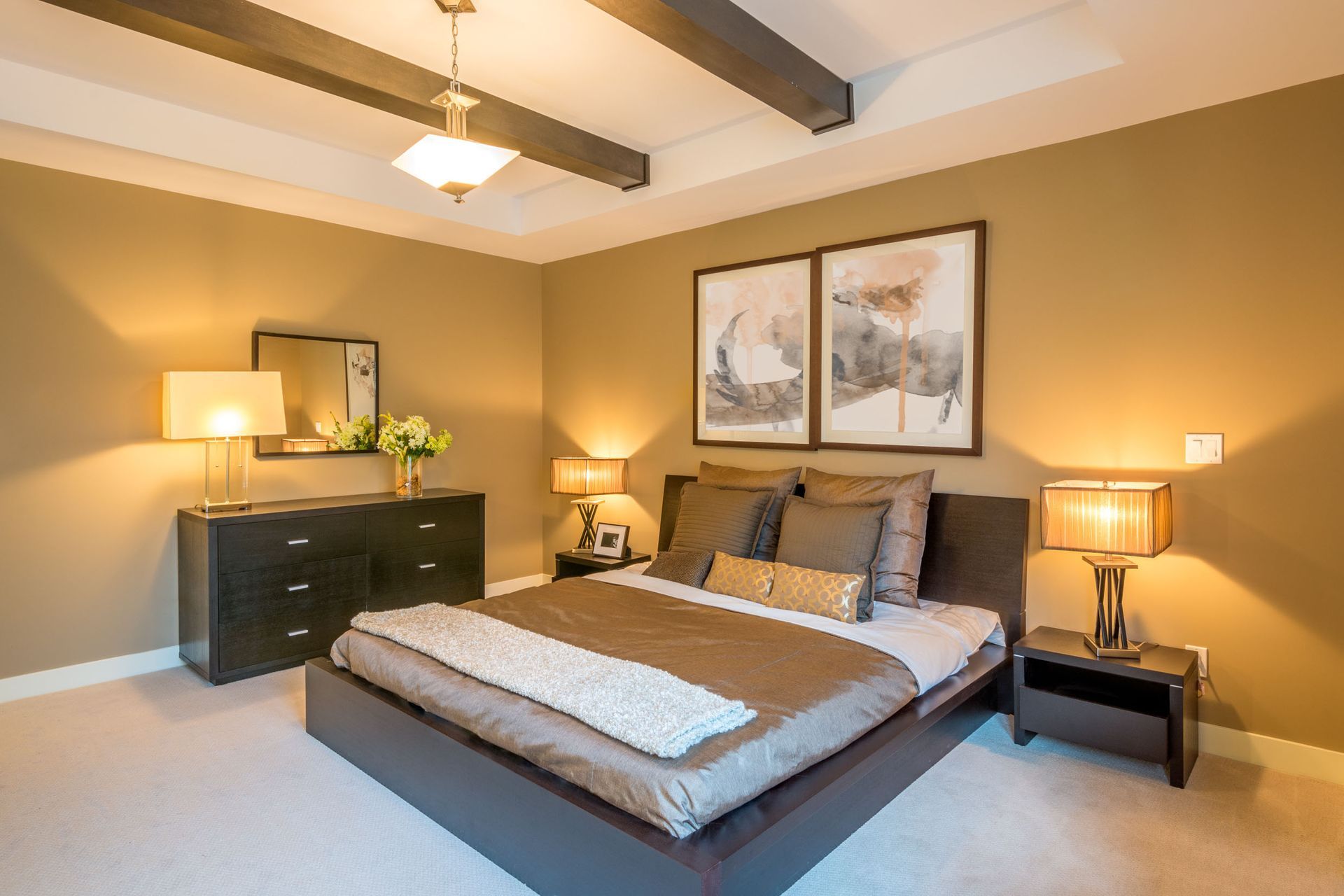
Most modern systems combine ambient lighting for overall brightness, task lighting for focused activities, and accent lighting to highlight architectural features or décor. When these layers are balanced correctly, rooms feel more functional and inviting.
Thinking of lighting as a system rather than isolated fixtures helps homeowners achieve consistency and long-term satisfaction, especially when updating or expanding existing layouts.
2. Why Does Lighting Design Matter?
Lighting design directly affects how spaces are perceived and used. Poorly planned lighting can make rooms feel cramped, dim, or uncomfortable, while thoughtful design can make even small spaces feel open and welcoming.
Professionally designed home lighting systems consider ceiling height, room size, natural light sources, and color palettes. These factors influence fixture selection, brightness levels, and color temperature. For example, warm lighting creates a cozy atmosphere in living rooms, while cooler lighting supports focus in kitchens and offices.
Good lighting design also reduces eye strain and shadows, improving everyday comfort and usability throughout the home.
3. What are the Common Types of Residential Lighting?
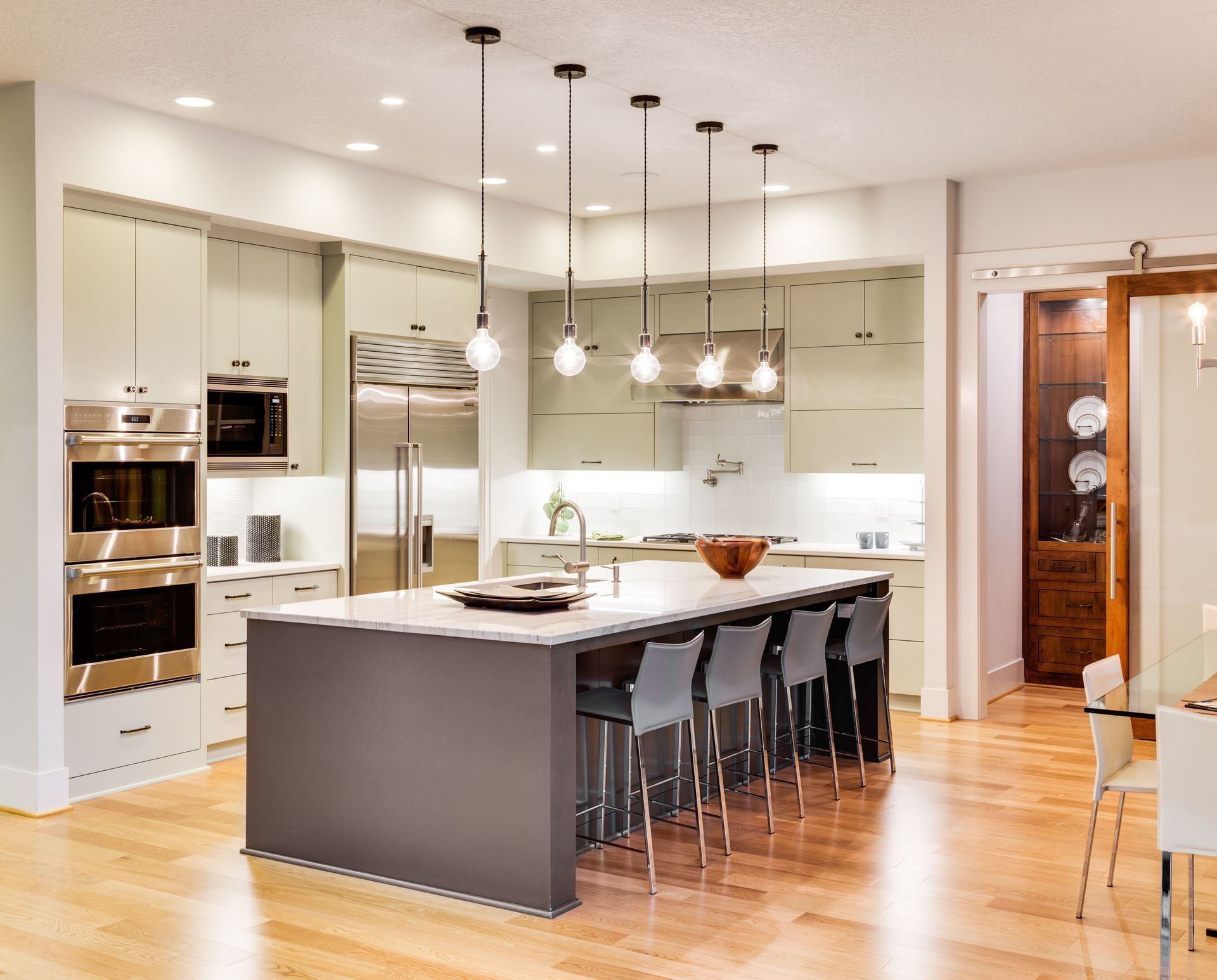
Residential lighting generally falls into three main categories. Ambient lighting provides general illumination and sets the base light level for a room. Recessed lights, ceiling-mounted fixtures, and chandeliers often serve this purpose.
Task lighting focuses on specific activities such as cooking, reading, or grooming. Under-cabinet kitchen lights, desk lamps, and vanity lights are common examples. Accent lighting adds depth and visual interest by highlighting artwork, shelves, or architectural details.
Combining these types thoughtfully ensures that each room meets both functional and aesthetic needs without relying on a single light source.
4. What is the Importance of Energy Efficiency?
Energy efficiency is one of the most frequent concerns homeowners have about lighting upgrades. Modern lighting technology has made it easier than ever to reduce energy consumption without sacrificing brightness or style.
LED lighting uses significantly less electricity than traditional incandescent or halogen bulbs and lasts much longer. This reduces replacement frequency and lowers long-term costs. Smart controls such as dimmers, timers, and motion sensors further improve efficiency by ensuring lights are only used when needed.
When upgrading home lighting systems, energy-efficient choices can deliver noticeable savings on utility bills while supporting sustainability goals.
5. What Smart Lighting and Control Options Are There?
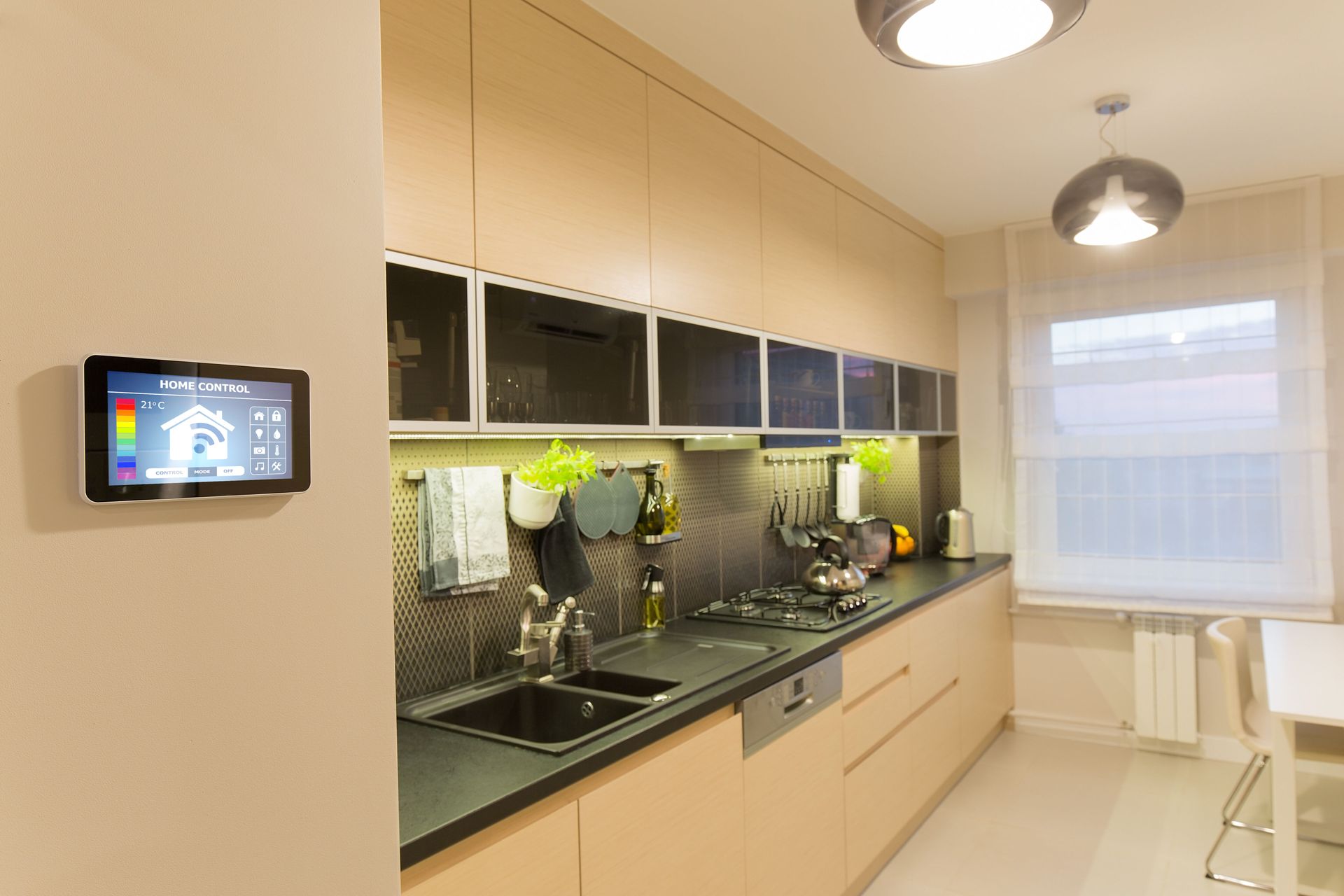
Smart lighting has transformed how homeowners interact with their spaces. These systems allow lights to be controlled through smartphones, voice assistants, or automated schedules.
With smart controls, homeowners can adjust brightness, color temperature, and even lighting scenes for different activities or times of day. This flexibility improves convenience and personalization while also enhancing energy efficiency.
Smart lighting can also integrate with security systems, creating the appearance of occupancy when you are away. As technology continues to advance, smart lighting is becoming a standard feature rather than a luxury.
6. What Installation and Electrical Requirements Are There?
Many homeowners wonder whether lighting upgrades require major electrical work. The answer depends on the scope of the project and the age of the home.
Simple fixture replacements often require minimal changes, while system-wide upgrades may involve new wiring, updated panels, or additional circuits. Older homes may need electrical updates to support modern lighting loads and controls safely.
Professional installation ensures compliance with electrical codes and reduces the risk of safety issues. Proper planning also minimizes disruption and helps projects stay on schedule.
7. What Differences Are there Between Indoor and Outdoor Lighting?
Indoor and outdoor lighting serve different purposes but should be designed cohesively. Indoor lighting focuses on comfort, functionality, and aesthetics, while outdoor lighting emphasizes safety, navigation, and curb appeal.
Outdoor fixtures must be weather-resistant and positioned to illuminate pathways, entrances, and landscape features without causing glare or light pollution. Motion-activated and dusk-to-dawn options are popular for security and efficiency.
Coordinating indoor and outdoor lighting styles creates a seamless transition between spaces and enhances the overall appearance of your home.
8. What Are the Future Market Trends?
The lighting industry continues to evolve in response to design trends, technology, and global supply chains. According to Yahoo Finance, the lighting fixtures market in the United States is worth around $20 billion and is still relatively open and largely dependent on imports.
This market dynamic influences pricing, availability, and style options for homeowners. It also highlights the importance of working with knowledgeable professionals who understand current trends and sourcing challenges.
Staying informed about market conditions helps homeowners make timely decisions and avoid delays when planning installations of home lighting systems.
9. What Signs of Maintenance and Longevity Should I Look Out For?
Maintenance requirements vary depending on fixture type, bulb technology, and usage patterns. LED fixtures generally require less maintenance due to their long lifespan, while decorative or specialty fixtures may need more frequent attention.
Dust, moisture, and heat can affect performance over time, especially in kitchens, bathrooms, and outdoor areas. Regular cleaning and occasional inspections help maintain consistent light output and appearance.
Choosing high-quality fixtures and components for home lighting systems reduces maintenance needs and improves long-term reliability.
10. How Can I Plan Lighting for Renovations and New Homes?
Lighting should be considered early in any renovation or new construction project. Early planning allows for optimal fixture placement, wiring routes, and control options.
In new homes, lighting design can be integrated with architectural plans to highlight features and improve flow between spaces. In renovations, thoughtful lighting updates can dramatically modernize interiors without major structural changes.
11. How Can I Avoid Common Lighting Mistakes?
One of the most common mistakes homeowners make is relying on a single overhead light per room. This approach often results in uneven lighting and limited functionality.
Another mistake is choosing fixtures based solely on appearance without considering brightness, color temperature, or beam spread. This can lead to glare, shadows, or insufficient illumination.
Well-planned home lighting systems address these issues by balancing aesthetics with performance and usability, resulting in spaces that look and feel right.
12. How Can I Balance Style With Functionality?
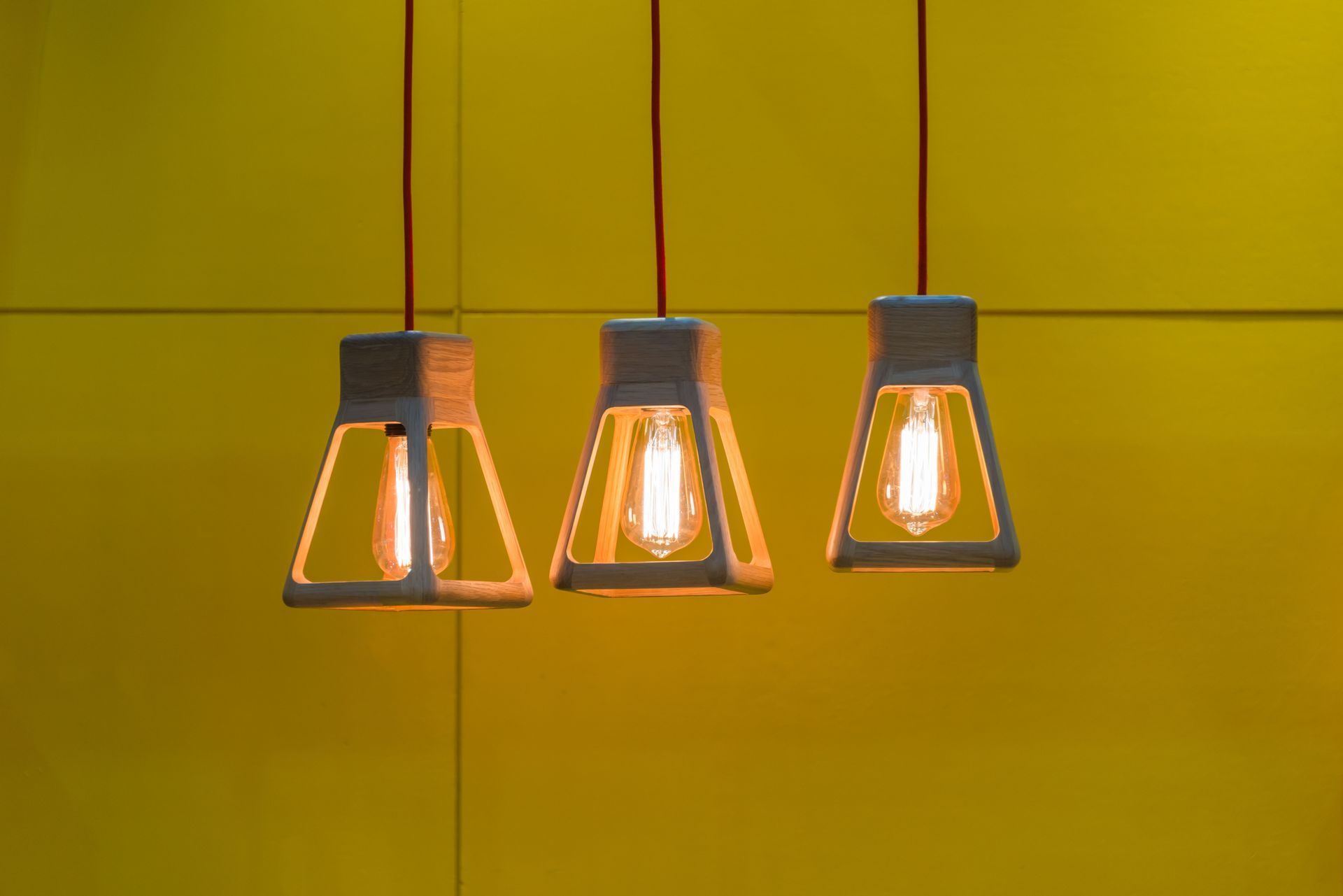
Lighting fixtures are both functional tools and design elements. Chandeliers, pendants, and sconces can serve as focal points while providing essential illumination.
Balancing style and function requires understanding how fixtures perform in real-world conditions. A visually striking fixture that produces inadequate light may need to be paired with additional sources to meet practical needs.
Lighting decisions shape how your home is experienced every day, influencing comfort, efficiency, and visual appeal. By understanding design principles, technology options, and installation considerations, homeowners can make confident choices that deliver lasting value. Well-planned lighting turns ordinary spaces into environments that truly work for the people who live in them. If you are looking for a local lighting company that can help you install new fixtures, contact LP Lighting and Integration today to learn more and get started!