May 13, 2026
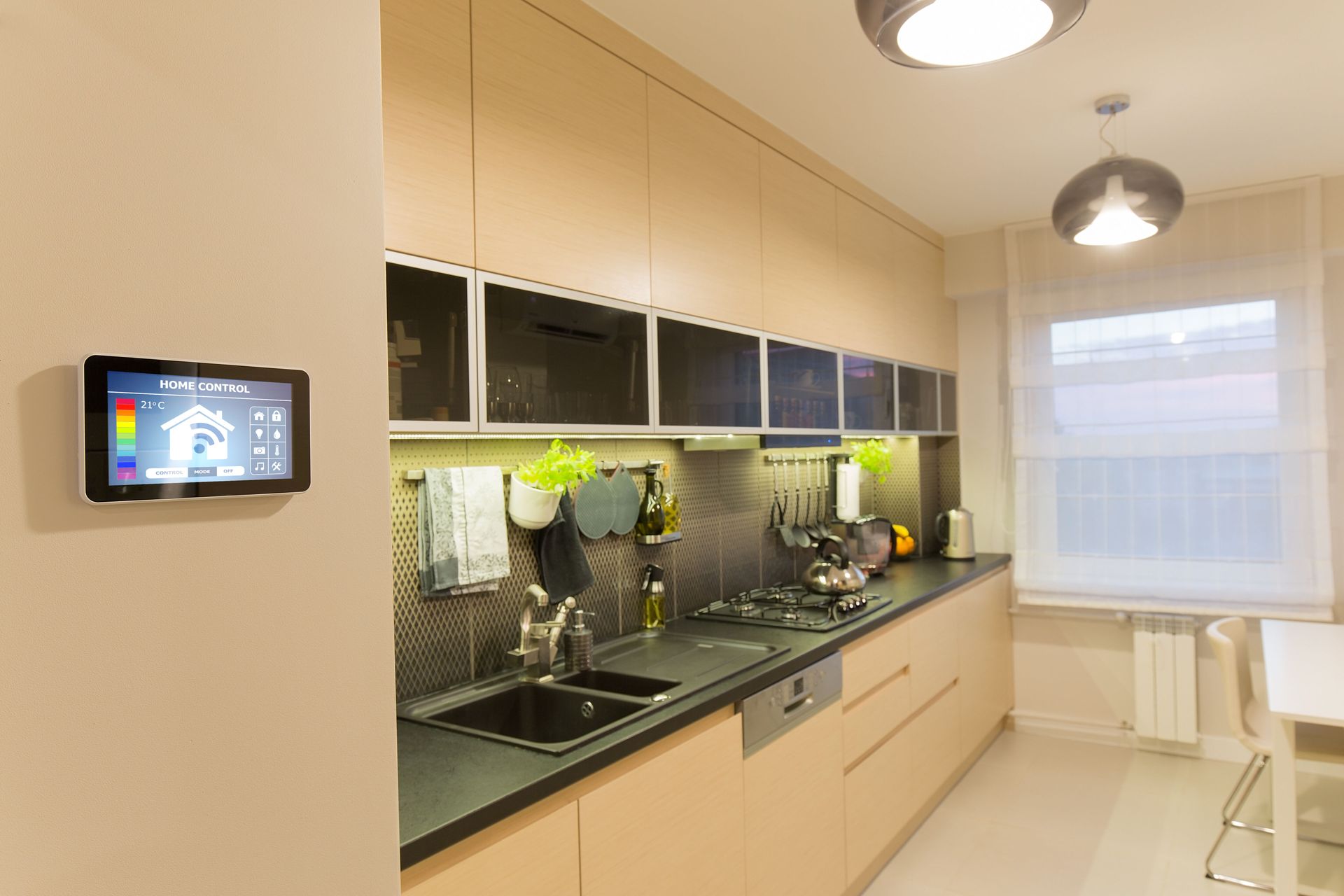
Smart home lighting has moved far beyond simple illumination, evolving into a sophisticated element of modern living that blends convenience, energy efficiency, and personalization. As homeowners seek greater control over their environments, the demand for responsive and intelligent lighting solutions continues to accelerate. These systems are increasingly woven into broader smart home ecosystems, enabling homes to become more intuitive and adaptive than ever before. Understanding the technologies, benefits, and future direction of smart home lighting reveals just how transformative this field has become.
Trace the Evolution of Home Lighting
The journey from traditional to modern lighting reflects both technological progress and a shift in consumer expectations. Early lighting systems offered little more than basic illumination with no flexibility, while today's solutions provide dynamic control, automation, and energy-conscious design. Incandescent and fluorescent bulbs have given way to LED-based smart systems that serve not only functional purposes but also contribute to environmental sustainability and interior design. According to SQMagazine.co.uk, smart lighting systems are now present in 38% of smart homes, a figure that reflects how rapidly this technology has become a mainstream feature of modern households.
The integration of the Internet of Things (IoT) marked a defining turning point in the evolution of lighting technology. By enabling light bulbs and fixtures to connect to the internet and communicate with other devices, IoT transformed lighting from a static utility into a dynamic, responsive system. Users can now control and automate their lighting remotely through smartphones, tablets, or voice commands, with systems capable of dimming, color shifting, and scheduling based on personal preferences or environmental conditions. More recently, advances in artificial intelligence have taken this further, allowing smart home lighting systems to learn user behavior and adjust automatically — optimizing both comfort and energy use without any manual input.
Explore Key Smart Lighting Technologies
Sensor-based lighting systems represent one of the most practical and efficient advances in home lighting. Motion detectors, occupancy sensors, and ambient light sensors allow these systems to respond automatically to human presence and environmental conditions, ensuring that light is provided only where and when it is needed. Users can fine-tune sensor sensitivity, detection range, and delay settings to create precise control over their lighting environment. Beyond energy efficiency, sensor-based systems also support health and well-being by maintaining appropriate lighting levels that align with natural circadian rhythms throughout the day. This helps reduce unnecessary energy consumption while improving overall comfort in living spaces. Over time, these systems can significantly lower utility costs while also extending the lifespan of lighting fixtures by reducing constant use.
Voice-controlled lighting and mobile app integration have further expanded what smart home lighting can do. Through virtual assistants like Amazon Alexa, Google Assistant, or Apple Siri, homeowners can adjust lighting hands-free with simple spoken commands — a feature that is especially valuable for those with mobility challenges or anyone seeking seamless convenience. Mobile apps complement this by offering complete remote control over every aspect of a lighting system, from basic on/off functions to detailed scheduling, energy tracking, and integration with other smart devices. Smart bulbs and fixtures round out the technology landscape, combining LED efficiency with wireless connectivity and design flexibility to suit a wide range of interior styles and personal preferences. These systems can be programmed to match daily routines, such as gradually brightening in the morning or dimming in the evening for relaxation. As smart lighting continues to evolve, homeowners gain greater control over both functionality and atmosphere in every room of the home.
Understand Automation and Scheduling Capabilities
Automation and scheduling are among the most practical benefits that home lighting offers to everyday users. These features allow homeowners to program lighting scenarios around their daily routines — gradually brightening lights in the morning, dimming them for movie nights, or turning them off automatically in unoccupied rooms. The "set it and forget it" nature of automation reduces the need for manual interaction while ensuring that lighting always supports the activity at hand. This kind of intelligent management also contributes meaningfully to energy conservation by preventing lights from running unnecessarily.
Advanced scheduling goes well beyond simple timers. Smart home lighting systems can adapt to seasonal changes, sync with other devices such as thermostats and security systems, and even simulate occupancy to enhance home security when residents are away. Dynamic schedules can be tailored to respond to natural light levels outside, adjusting indoor brightness accordingly for maximum comfort and efficiency. As connectivity and algorithmic sophistication continue to improve, the scheduling and automation capabilities of these systems will only grow more refined, making home lighting an increasingly indispensable part of daily life.
Recognize the Benefits of Smart Home Lighting
The advantages of home lighting extend well beyond convenience. From an environmental standpoint, these systems significantly reduce household energy consumption by leveraging LED technology, automated controls, and data-driven optimization. Lights that respond to occupancy, natural light availability, and user-defined schedules consume far less energy than traditional manually operated systems. This conscious approach to energy use aligns with broader sustainability goals and supports households in reducing their environmental footprint over time.
Smart home lighting also enhances safety, security, and overall quality of life in meaningful ways. Lighting synchronized with home security systems can deter potential intrusions by simulating occupancy, while well-lit pathways and motion-activated exterior lights reduce accident risks. On a personal level, the ability to customize lighting for different activities — whether working, relaxing, or entertaining — creates environments that support productivity, comfort, and mood. The health benefits are equally notable, as properly calibrated lighting that shifts with the time of day helps regulate sleep patterns and maintain natural energy levels throughout the day.
Look Ahead at Future Trends and Innovations
The future of home lighting is closely tied to continued advances in artificial intelligence, machine learning, and connectivity. AI-driven systems are becoming increasingly capable of anticipating user needs, learning preferences over time, and making autonomous adjustments that enhance both comfort and efficiency. Natural language processing improvements will make voice-controlled lighting even more responsive and accurate, while augmented reality tools may soon allow homeowners to visualize and simulate different lighting setups before committing to a configuration. These innovations point toward a future where home lighting operates with minimal input but maximum personalization.
The growing integration of renewable energy and sustainable design principles will also shape the next generation of smart lighting solutions. LED technology's compatibility with low-voltage and solar-powered systems makes it well suited for homes committed to green energy practices. As manufacturers continue to innovate and as smart home ecosystems become more interconnected, lighting will play an increasingly central role in the intelligent home of tomorrow. The convergence of sustainability, design, and technology ensures that home lighting will remain a defining feature of modern living for years to come.
Smart home lighting sits at the intersection of technology, sustainability, and personal expression, offering homeowners an extraordinary degree of control over how their living spaces look, feel, and function. From sensor-based automation and voice control to AI-driven personalization and seamless integration with other smart devices, these systems are reshaping what it means to live in a thoughtfully designed home. As the technology continues to advance, the possibilities for intelligent, responsive, and energy-conscious lighting will only expand. If you are ready to transform your home with a smart lighting system tailored to your lifestyle, contact us at LP Lighting and Integration today — we will help you design and install a solution that brings the future of home lighting into your space.