July 20, 2026
Lighting design has evolved well beyond simply choosing attractive fixtures, growing into a sophisticated discipline that considers how light interacts with architecture, mood, and daily functionality throughout a space. Architectural lighting controls have become an essential part of this evolution, allowing designers and homeowners alike to fine-tune brightness, color temperature, and timing in ways that genuinely enhance both the aesthetic and practical experience of a building. Whether working on a residential renovation or a larger commercial project, understanding how to thoughtfully incorporate these control systems can dramatically improve the overall success of a lighting design plan. Getting the actual brightness levels right remains a foundational consideration throughout this process. According to HomeGuide, light fixtures should ideally provide 10 to 20 lumens per square foot, offering a helpful benchmark for designers working to balance adequate illumination with the flexibility that modern control systems provide. Below, we'll explore key considerations for designing effectively with architectural lighting controls.
Understanding the Role of Layered Lighting Design
Successful architectural lighting design typically incorporates multiple layers, including ambient, task, and accent lighting, each serving a distinct functional and aesthetic purpose within a space. Architectural lighting controls allow designers to independently manage these different layers, creating flexibility to adjust each type of lighting based on specific activities or desired ambiance throughout the day. This layered approach helps avoid the flat, uninspired feeling that comes from relying on a single, uniform lighting source throughout an entire room. Understanding how these different lighting layers work together provides the foundation for effectively incorporating control systems that can adjust each layer independently as needed. This layered design philosophy represents a fundamental starting point for anyone looking to create genuinely sophisticated, flexible lighting throughout their space.
Incorporating Dimming Capabilities Throughout Key Spaces
Dimming capabilities represent one of the most valuable and commonly requested features within architectural lighting controls, allowing users to adjust brightness levels based on time of day, specific activities, or simply personal preference. This flexibility proves particularly valuable in multi-purpose spaces, such as dining areas that might need bright, functional lighting for meal preparation but softer, more ambient lighting for evening entertaining. Properly specifying dimmable fixtures and compatible control systems during the design phase helps ensure this flexibility functions smoothly once installation is complete, rather than dealing with compatibility issues after the fact. Working with an experienced lighting professional helps ensure dimming systems are properly integrated throughout a space, providing genuinely smooth, flicker-free adjustment across the full range of brightness levels. This dimming capability adds significant value and flexibility to nearly any architectural lighting design project.
Utilizing Scene Setting for Different Activities
Modern architectural lighting controls often include scene-setting capabilities, allowing users to save and recall specific lighting configurations tailored to different activities or times of day with a single button press or app command. This might include a bright, energizing scene for morning routines, a softer, more relaxed configuration for evening relaxation, or a specifically tailored setting for entertaining guests. Designing with these scene capabilities in mind from the outset helps ensure the lighting system genuinely enhances daily life, rather than requiring users to manually adjust multiple individual fixtures each time they want a different ambiance. This scene-setting functionality represents one of the more sophisticated, user-friendly applications of modern lighting control technology. Incorporating this capability thoughtfully into a design plan significantly enhances the practical, everyday usability of an architectural lighting system.
Considering Color Temperature Adjustability
Beyond simple brightness control, many modern architectural lighting controls also allow for adjustable color temperature, enabling spaces to shift between warmer, more relaxing tones and cooler, more energizing light throughout the day. This capability can genuinely support circadian rhythm considerations, using warmer light tones in the evening to support natural wind-down processes, while offering brighter, cooler light during morning and daytime hours to support alertness and productivity. Designing with this color temperature flexibility in mind requires selecting compatible fixtures and control systems capable of this adjustment, making early planning particularly important for achieving this specific functionality. This attention to color temperature represents an increasingly popular, sophisticated consideration within contemporary architectural lighting design. Incorporating this flexibility can meaningfully enhance both the comfort and wellness benefits associated with a thoughtfully designed lighting system.
Planning for Proper Zoning and Control Grouping
Effective architectural lighting controls require thoughtful zoning, grouping fixtures logically based on function, location, or typical usage patterns rather than controlling every single light independently or, conversely, grouping everything together without any meaningful distinction. This zoning consideration might mean grouping kitchen task lighting separately from adjacent dining area ambient lighting, allowing each zone to be adjusted independently based on specific activity needs. Careful planning during the design phase helps ensure this zoning genuinely reflects how a space will actually be used, rather than creating an overly complicated or impractical control scheme. Working with an experienced lighting designer helps navigate these zoning decisions, ensuring the final control system feels intuitive and genuinely useful rather than unnecessarily complex. This thoughtful zoning approach represents an important technical consideration that significantly impacts the overall usability of an architectural lighting control system.
Integrating Controls With Broader Smart Home Systems
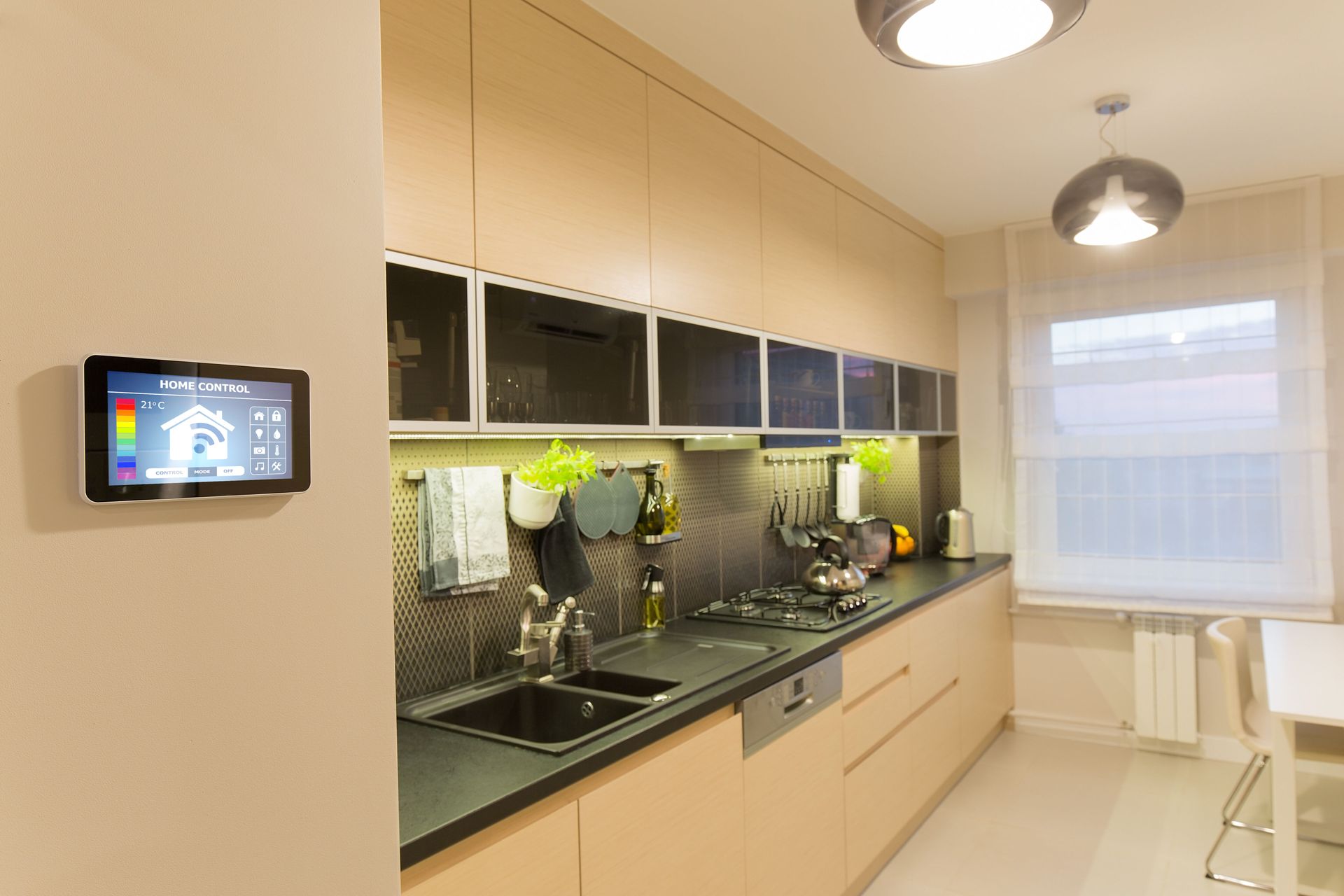
Many modern architectural lighting controls now integrate seamlessly with broader smart home or building automation systems, allowing lighting to work in coordination with other elements like climate control, security systems, or automated window treatments. This integration can create more sophisticated, coordinated experiences, such as lighting automatically adjusting alongside natural daylight changes detected by connected sensors, or security lighting activating in coordination with motion detection systems. Designing with this broader integration in mind from the outset helps ensure compatibility between different building systems, avoiding compatibility issues that might arise from choosing isolated, non-integrated components. This integrated approach represents an increasingly important consideration for contemporary projects, particularly as smart home and building automation technology continues to become more mainstream and widely adopted. Planning for this integration early in the design process helps create a more cohesive, sophisticated overall building automation experience.
Balancing Automation With User Control
While automated features like scheduling and sensor-based adjustments offer significant convenience, thoughtful architectural lighting control design also needs to preserve genuine user control, allowing occupants to easily override automated settings when their specific needs differ from the programmed defaults. This balance helps avoid the frustration that can occur when automated systems feel overly rigid or fail to accommodate legitimate variations in daily routines or preferences. Designing intuitive manual controls alongside automated features ensures the overall system remains genuinely user-friendly, rather than becoming a source of frustration for occupants who simply want straightforward control over their immediate environment. This balance between automation and manual control represents an important design consideration that significantly impacts how positively occupants ultimately experience their architectural lighting system. Prioritizing this balance helps ensure sophisticated lighting technology genuinely enhances daily life rather than creating unnecessary complexity.
At LP Lighting and Integration, we understand how much thoughtful design can enhance both the beauty and functionality of a space, and we're committed to providing expert guidance on incorporating architectural lighting controls that genuinely serve our clients' needs. Our experienced team helps navigate the many considerations involved in modern lighting design, from layered lighting strategies to sophisticated automation integration, ensuring a system that feels both beautiful and genuinely usable. We believe that great lighting design combines technical expertise with a genuine understanding of how people actually live and work within their spaces. Whether you're planning a residential renovation or a larger commercial project, our knowledgeable team is here to help bring your vision to life. If you're ready to explore
architectural lighting controls for your next project, contact LP Lighting and Integration today to schedule your consultation.