June 13, 2026
Modern homes and businesses rely on lighting for comfort, productivity, safety, and atmosphere. However, lighting can also be one of the most overlooked parts of energy management. When fixtures, switches, sensors, and smart controls are planned as one system, property owners can use light more efficiently without sacrificing the way a space looks or functions. That is where lighting control design becomes valuable. Instead of treating lighting as a simple on-and-off feature, it creates a thoughtful strategy for when, where, and how lighting should operate.
Effective energy management is not only about reducing use. It is also about matching energy consumption to real needs throughout the day. A room used for focused work in the morning may not need the same lighting level in the afternoon. A hallway may need light for safety, but not at full brightness all day. With the right plan, lighting control design can support comfort, convenience, and lower unnecessary energy use across a property.
Improving Daily Energy Use
One of the main benefits of lighting control design is its ability to reduce waste during normal routines. Many spaces stay lit long after people leave, especially in offices, showrooms, conference rooms, garages, and larger homes. Even when individual lights do not seem like a major cost, the combined use across multiple rooms can add up quickly.
A well-planned control system helps prevent this by giving each area a purpose-based lighting schedule. Instead of relying only on manual switches, the system can use timers, occupancy sensors, dimmers, daylight sensors, and programmable controls. These tools help lights respond to how a space is actually being used.
For example, a storage room may only need light when someone enters. A lobby may need consistent illumination during business hours, then lower lighting after closing. An outdoor walkway may need lighting at night but not during daylight hours. Lighting control design brings these details together so energy use is more intentional.
Matching Light Levels to Real Needs
Different rooms need different lighting levels. A kitchen, workroom, or office may require bright, clear light for detailed tasks. A lounge, dining area, or media room may work better with softer lighting. When all lights operate at full brightness regardless of activity, energy is often wasted.
Lighting control design allows property owners to create zones, scenes, and brightness levels that fit each space. Zoning separates lighting into groups, so one area can be adjusted without affecting the entire room or building. Scenes let users choose preset combinations, such as work mode, presentation mode, cleaning mode, or evening mode.
This flexibility supports energy management because lights do not have to run at maximum output all the time. Dimming can lower energy use while still giving people the visibility they need. In spaces with large windows or skylights, daylight sensors can adjust artificial lighting based on available natural light. As sunlight changes, the system can increase or reduce indoor lighting automatically.
Supporting Smarter Indoor Planning
Indoor lighting has a major role in how properties function, especially as homes and businesses continue to invest in efficient systems. According to Coherent Marketing Insights, the indoor lighting segment was expected to account for the largest share of the lighting fixture market at 40.7% in 2025. This reflects how important interior lighting is for comfort, design, and daily use.
Because indoor spaces often include several activities under one roof, they benefit from a customized plan. Lighting control design can help coordinate lighting in kitchens, offices, retail spaces, entertainment rooms, conference areas, and common spaces. Each area can be planned around occupancy, daylight, task needs, and preferred atmosphere.
Reducing Reliance on Manual Controls
Manual switches are simple, but they depend on people remembering to use them correctly. In busy spaces, lights may stay on because someone forgets to turn them off. In other cases, people may avoid adjusting lights because the switch layout is confusing or inconvenient.
Lighting control design reduces that problem by building automation into the system.
Occupancy sensors can turn lights off when a room is empty. Vacancy sensors can require someone to turn lights on manually, then shut them off automatically after the room is no longer in use. Schedules can adjust lights based on business hours, sunrise, sunset, or daily routines.
This does not mean users lose control. A good system still allows manual adjustments when needed. The difference is that automation provides a helpful backup, so the property does not depend entirely on memory or habits. Over time, this can make energy management feel easier and more consistent.
Enhancing Comfort and Function
Energy efficiency matters, but lighting also needs to support the people using the space. If a system is too dim, too complicated, or poorly organized, people may override it or stop using it altogether. That is why lighting control design should balance efficiency with comfort and function.
A thoughtful plan considers how people move through a space. It can create smooth transitions from one area to another, reduce glare, and make important spaces easier to navigate. In a home, this might mean pathway lighting at night, dimmable kitchen lighting, or preset scenes for entertaining. In a commercial setting, it might mean better conference room controls, improved showroom lighting, or consistent lighting for employees.
Integrating Lighting With Other Systems
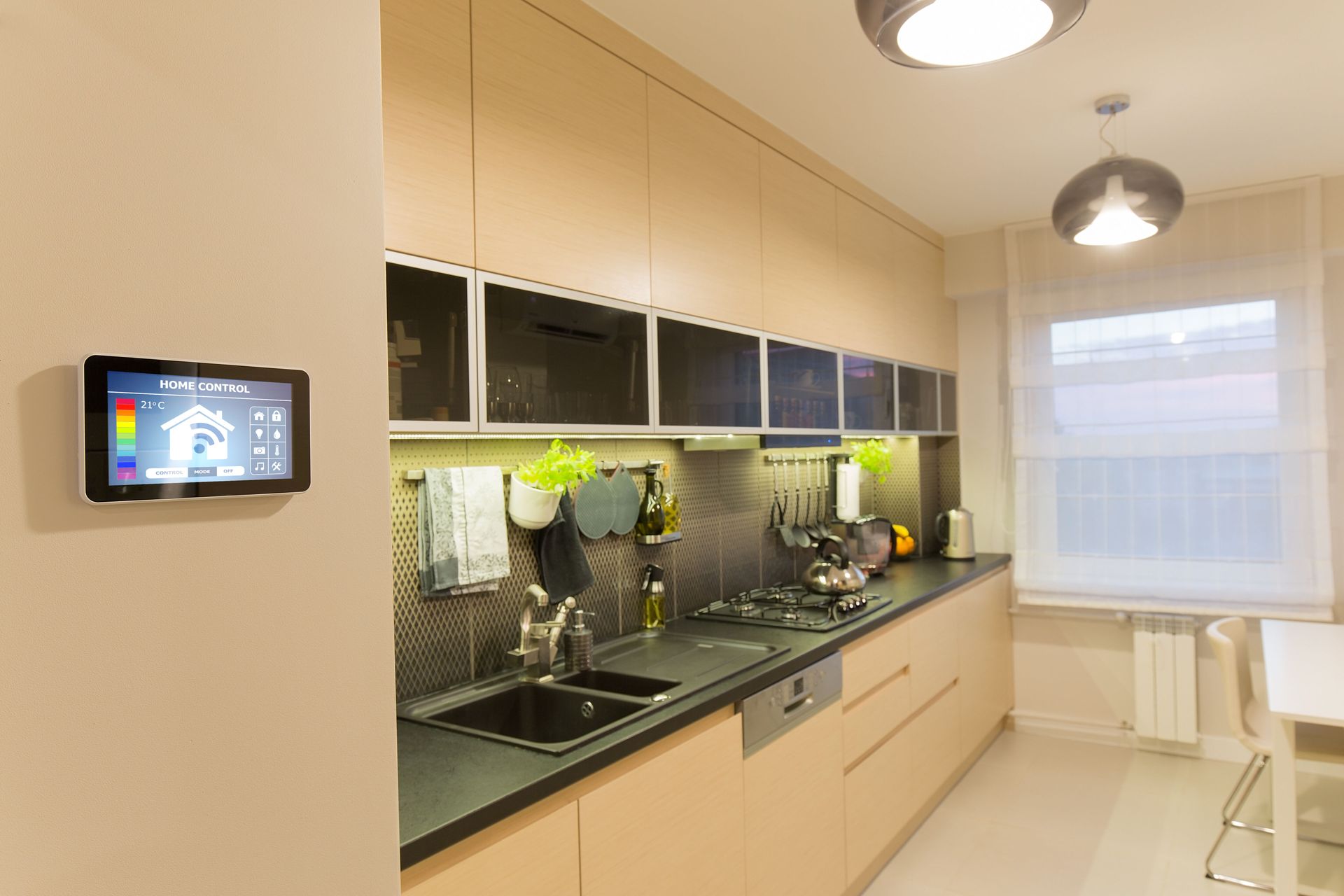
Modern properties often include more than lighting. Audio, video, shades, security, climate control, and networking may all be part of the same environment. When these systems are planned separately, they may not work together as smoothly as they could. Lighting control design can support better integration by connecting lighting decisions with the broader needs of the property.
For instance, motorized shades can work with lighting controls to manage daylight and reduce glare. Security lighting can coordinate with cameras, entry points, and motion detection. In a media room, lighting scenes can work with audio and video equipment to create the right setting with one command. In an office, lights can be scheduled alongside occupancy patterns and business operations.
This connected approach can improve energy management because each system supports the others. Instead of using lights to solve every visibility issue, the property can use daylight, shading, automation, and task lighting together. That creates a more balanced environment.
Planning for Long-Term Performance
Lighting needs can change over time. A business may renovate, add employees, update work areas, or change how customers move through the space. A homeowner may remodel rooms, add smart devices, or adjust routines as family needs change. Lighting control design gives the property a stronger foundation for future updates.
Planning can also help avoid common problems, such as poor switch placement, limited dimming options, inconsistent control zones, or systems that are difficult to expand. When controls are designed with long-term use in mind, property owners can make adjustments more easily as needs change.
Professional planning is important because lighting systems involve both design choices and technical details. The right controls need to work with the fixtures, wiring, layout, and user preferences. Better energy management comes from systems that are practical, efficient, and easy to use. Lighting control design gives property owners a smarter way to manage one of the most frequently used systems in any building while creating spaces that feel more adaptable and convenient. Call LP Lighting and Integration today to schedule your lighting or integration service.